Nagadya Facilitates a Capacity-Building Workshop on Competence-Based Legal Education, organized by the Makerere University School of Law
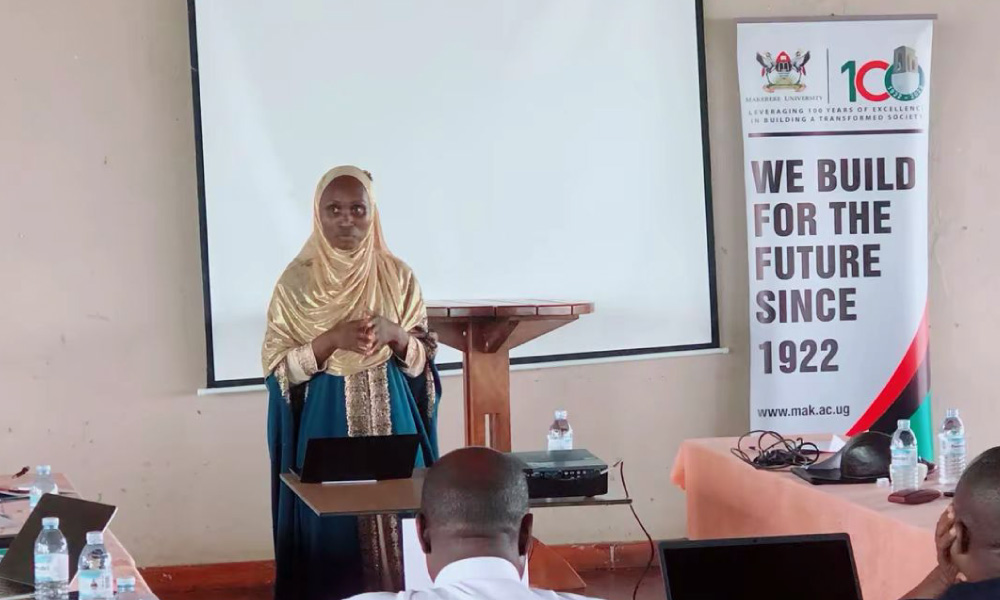
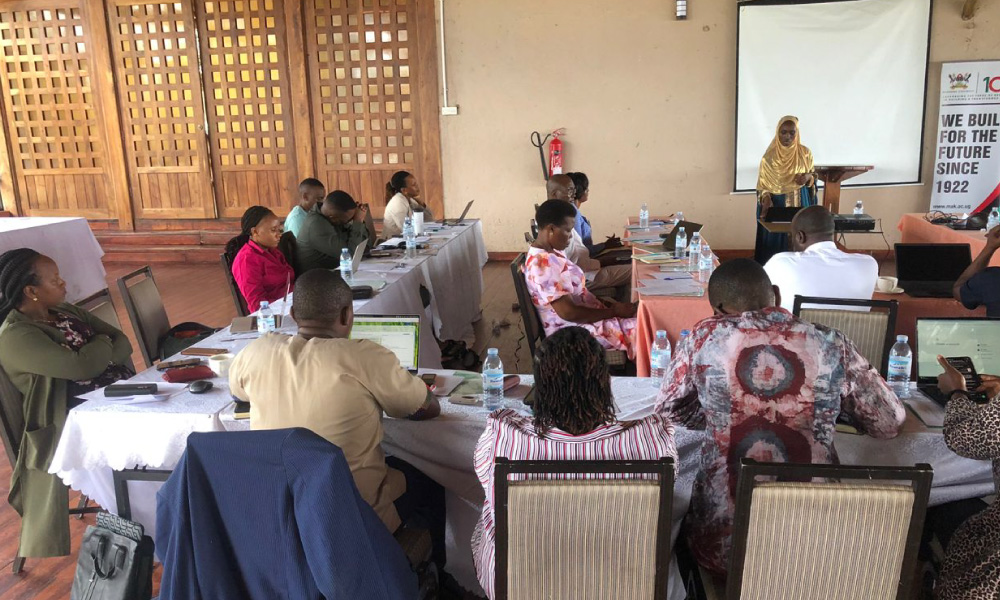
Ms. Nagadya Hamidah, a Lecturer at the Islamic University in Uganda (IUIU), served as one of the facilitators at the Capacity Building Workshop on Competence-Based Learning and Clinical Legal Education organized by the Makerere University School of Law. The workshop was specifically designed for lecturers of the Makerere University School of Law with the aim of strengthening their capacity in competence-based curriculum design and review, as well as in the application of effective teaching, learning, and assessment approaches.
The workshop further sought to equip participants with practical skills for implementing Competence-Based Education and Training (CBET) and aligning legal education programmes with the competencies required for contemporary legal practice. It also provided a platform for knowledge sharing among legal educators and curriculum experts on innovative approaches to improving legal education.
Ms. Nagadya Hamidah delivered a presentation on Competence-Based Learning and Legal Education in Uganda, focusing on competence-based curriculum design and review, as well as effective approaches to teaching, learning, and assessment within a competence-based education framework. She also emphasized the importance of aligning legal education programmes with CBET principles to ensure graduates are equipped with the relevant legal competencies.
Other presentations at the workshop included Prof. Buyinza Mukadasi, the Academic Registrar of Makerere University, who highlighted the importance of competence-based learning and assessment in producing practice-ready graduates.
Dr. Paul Muyinda Birevu, Director of the Institute of Open, Distance and e-Learning at Makerere University, discussed the role of technology in supporting competence-based education, particularly through innovative approaches such as flipped classrooms and other learner-centred digital learning methods.
Dr. Atim, a Lecturer at Makerere University School of Law, shared insights from the Public Interest Law Clinic, demonstrating how Clinical Legal Education enhances competence-based learning through practical, experiential training that bridges the gap between theory and legal practice.
Prof. Christopher Mbazira, the workshop coordinator, presented on the historical foundations and changing landscape of legal education in Uganda, emphasizing the need for continuous adaptation of legal training to contemporary professional demands.
Assoc. Prof. Ronald Naluwairo, Dean of the School of Law, emphasized the importance of integrating competence-based teaching and learning approaches to ensure that legal education remains relevant and responsive to the needs of the legal profession.
Dr. Nampewo Zahara, Deputy Dean of the School of Law, contributed to the discussions by emphasizing the importance of competence-based teaching and learning approaches as a key direction for the future of legal education, highlighting the need for continuous improvement in pedagogical practices to ensure graduates acquire relevant professional competencies.
An officer from the National Curriculum Development Centre (NCDC) presented on Understanding Competence-Based Education and the Policy Framework, highlighting the principles guiding competence-based education and the importance of aligning institutional curricula with national policy frameworks to enhance graduate employability and societal relevance.
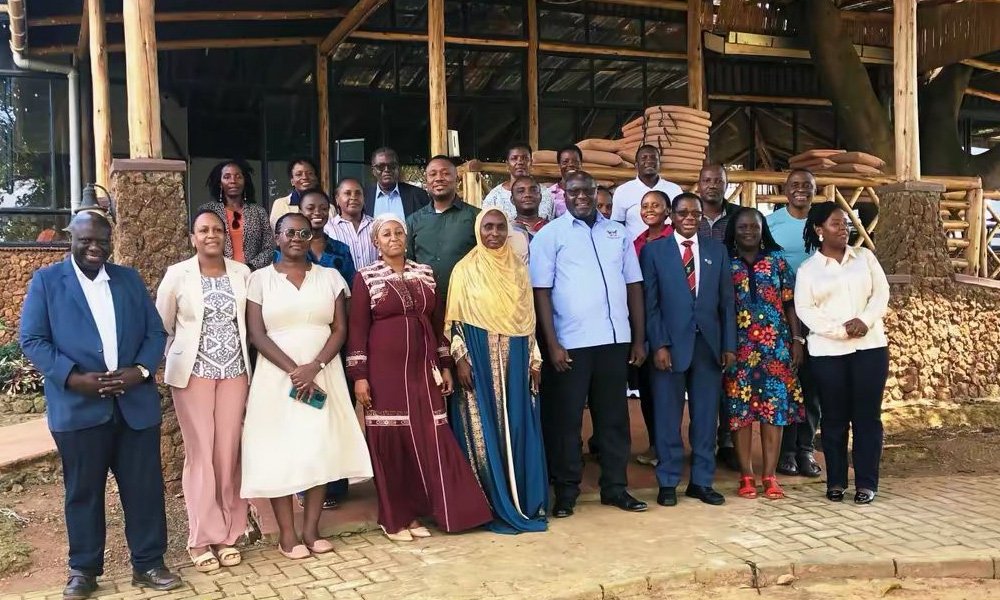
The workshop attracted participation from various institutions, including Kabale University, whose Dean of the faculty of law also attended, reflecting a broader commitment to strengthening competence-based legal education across Uganda’s higher education sector.
The Islamic University in Uganda remains committed to supporting academic excellence and contributing to the advancement of innovative, competence-based approaches in legal education.